Is Communication the Missing Link in Sustainable Development?
- Onyinyechukwu Aice
- May 18, 2025
- 4 min read

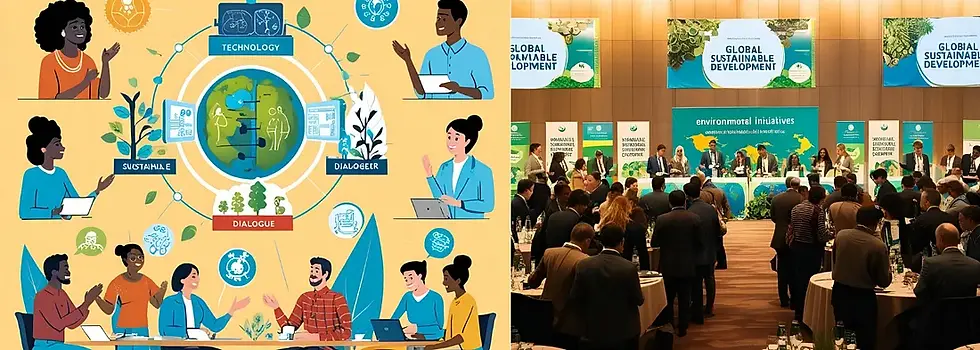
I recently stumbled upon a journal with a publication titled “SDG18: Communication for All, Volume 1.” I couldn’t help but laugh and smile at the same time. It’s such a fitting title, and I hope @springerjournal grants me access to read the research — it sounds fascinating!
Back in February, I shared a post on LinkedIn about the communication challenges in sustainable development, particularly in Africa. One of the biggest hurdles is education. How do we, for instance, convince market women to consistently dispose of their waste in government-provided bins or sites? Do they understand the impact of clogged drainages on their communities? Is the average person even aware of what “eco-friendly” means, let alone willing to support such products? And perhaps the most pressing question: Are governments, agencies, and organizations doing enough to communicate sustainable development effectively?
Sustainable development is a global priority, and by 2030, UN member nations are expected to achieve the 2030 Agenda. While some countries are making significant progress, others are lagging with little to no improvement in sight. In all these conversations about sustainability, one critical element often gets overlooked: communication.
Communication is more than just a tool — it’s a bridge that connects complex ideas to actionable understanding. It drives collaboration, sparks innovation, and fosters behavioral change. It amplifies the voices of marginalized communities, advocates for better policies, and ensures that no one is left behind. Yet, despite its importance, communication remains underutilized in the sustainable development space.
The SDG campaign, for example, has fallen short in many communities due to a lack of effective communication strategies. The goals are rarely communicated to the people who need to actively participate in achieving them. Too often, the work is left to large organizations, failing to reach the grassroots level where real change begins. This raises a critical question: Is ineffective communication the missing link in sustainable development?
Gaps in Communication: Why It Might Be the Missing Link
Despite communication’s significance, several challenges hinder its effectiveness in sustainable development:
1. Lack of Awareness and Misinformation
Many people still do not fully grasp sustainability concepts or view them as abstract ideas. Climate change misinformation, for example, remains a major issue, with misleading narratives spreading across media platforms (IPCC Report, 2021).
2. Weak Stakeholder Engagement
Effective sustainability efforts require collaboration among governments, businesses, and communities. However, a disconnect often exists between decision-makers and grassroots organizations. Policies are sometimes designed without engaging local voices, leading to resistance or non-compliance.
3. Language and Accessibility Barriers
Scientific reports and policy documents are often technical, making them difficult for the general public to understand. Critical sustainability messages fail to reach key populations in regions with low literacy rates.
4. The Media’s Role: Gaps in Storytelling
While the media plays a role in spreading sustainability messages, it sometimes lacks depth. Sensationalism and short-term focus in news reporting can overshadow long-term sustainability challenges (Boykoff & Yulsman, 2020).
The Power of Strategic Communication for Sustainable Change
Addressing communication gaps requires a strategic approach. Some effective methods include:
1. Behavioral Change Communication (BCC)
This communication strategy focuses on understanding audience motivations and crafting messages that inspire action. Examples include:
Social marketing campaigns promoting responsible consumption (e.g., the “Reduce, Reuse, Recycle” movement).
Health and environmental campaigns linking climate action to personal well-being.
2. Digital Media and Storytelling
Social media, podcasts, and documentaries have become powerful tools for sustainability communication. Successful initiatives include:
Greta Thunberg’s climate activism is amplified through Twitter and global youth movements.
Netflix’s “Our Planet” documentary, educates viewers about biodiversity loss in an engaging way.
3. Transparency and Trust in Sustainability Reporting
Corporate and governmental entities must communicate sustainability progress honestly to avoid greenwashing. Tools like the Global Reporting Initiative (GRI) Standards help ensure credibility.
Moving Forward: Communication for All
The concept of “SDG18: Communication for All” is a call to action. It emphasizes the need to prioritize communication as a standalone goal or, at the very least, as a cross-cutting theme that underpins all 17 SDGs. Here are some steps to strengthen communication for sustainable development:
Localized Communication Strategies: Develop communication strategies that are tailored to the cultural, linguistic, and socio-economic contexts of different communities. This includes using local languages, engaging community leaders, and leveraging traditional and digital media.
Capacity Building: Invest in training programs to equip local communicators, educators, and leaders with the skills to effectively convey sustainable development concepts.
Participatory Approaches: Involve communities in the design and implementation of communication campaigns. This ensures that the messages are relevant and resonate with the target audience.
Leveraging Technology: Use digital platforms, social media, and mobile technologies to reach a wider audience, especially young people who are often at the forefront of social and environmental movements.
Monitoring and Evaluation: Regularly assess the impact of communication initiatives to identify what works and what doesn’t. This feedback loop is essential for refining strategies and maximizing their effectiveness.
Conclusion
There is a critical issue in the global pursuit of sustainable development. Communication is indeed the missing link, and addressing this gap is essential for achieving the SDGs by 2030. By prioritizing communication, we can ensure that the goals are not just aspirational targets but actionable realities for all, including the market women, grassroots communities, and marginalized voices who are key to driving sustainable change. Hopefully, publications like “SDG18: Communication for All” will inspire more research, dialogue, and action in this vital area.



Comments